Tire Rotation and Alignment: Keeping Your Drive Smooth and Safe
Proper tire maintenance is essential for ensuring vehicle safety and extending the life of your tires. Regular tire rotation, typically recommended every 5,000 to 7,500 miles, helps promote even wear by allowing each tire to serve in different positions on the vehicle. Alongside rotation, an alignment check is crucial and should generally be performed every 6,000 miles or whenever you notice uneven tread wear or handling issues. Maintaining optimal tire pressure is another key aspect of tire care; underinflated tires can lead to increased friction and premature wear, while overinflated ones may cause a harsh ride and uneven tread wear. Additionally, regular inspections for cuts, punctures, or embedded objects can prevent unforeseen blowouts or flats. By adhering to these practices—rotating tires at proper intervals, checking alignment regularly, maintaining correct air pressure, and inspecting for damage—you can significantly extend the lifespan of your tires and ensure a smoother driving experience.
Brake System Inspections: Ensuring Optimal Stopping Power
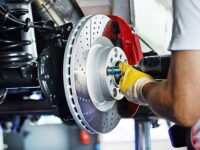
Regular brake inspections and timely brake pad replacements are essential to ensure the safety and efficiency of your vehicle. An effective brake inspection schedule typically involves checking the brakes during routine maintenance, such as oil changes or tire rotations, which are often recommended every 5,000 to 7,500 miles. This allows for early detection of wear or damage. As for brake pad replacement, most manufacturers suggest replacing them every 25,000 to 70,000 miles; however, this range can vary based on driving habits and conditions. It's important to be aware of signs that indicate your brakes may need attention sooner than anticipated. Common signs of brake wear include squeaking or grinding noises when applying the brakes, a pulsating sensation in the brake pedal, longer stopping distances, or a warning light illuminated on your dashboard. Paying close attention to these indicators can prevent more severe issues and ensure that your vehicle remains safe on the road. By adhering to a consistent maintenance schedule and staying alert to signs of wear, you can maintain optimal braking performance and extend the lifespan of your braking system.
The Importance of Regular Fluid Checks and Replacements
Regular maintenance of your vehicle’s fluid levels is crucial to ensuring its longevity and optimal performance. Checking fluid levels, such as engine oil and coolant, should be done at least once a month, as these fluids play a vital role in maintaining the engine's temperature and preventing overheating. As for coolant replacement, it is typically recommended every 30,000 to 50,000 miles depending on the manufacturer's specifications and driving conditions. This process helps prevent corrosion and maintains the efficiency of your car's cooling system. Transmission fluid, which lubricates moving parts inside the transmission and aids in smooth gear shifts, usually needs changing every 60,000 to 100,000 miles. However, this interval can vary based on whether your vehicle operates under normal or severe conditions. Regular checks and replacements are not just preventative measures; they ensure that each component functions seamlessly within the system. By adhering to these guidelines for fluid maintenance, you can help extend your vehicle's lifespan while ensuring safe and reliable performance on the road.
Spark Plugs and Wires: Igniting Performance Efficiency at the Right Time
The replacement interval for spark plugs is a crucial aspect of ignition system maintenance, and understanding this can greatly enhance the performance and longevity of your vehicle. Generally, it's recommended to replace spark plugs every 20,000 to 40,000 miles for conventional plugs and up to 100,000 miles for iridium or platinum-tipped plugs. However, these intervals can vary based on the specific make and model of your vehicle, driving conditions, and the type of spark plug used. Regular inspection is essential; look for signs such as misfires, poor fuel economy, or difficulty starting the engine as indicators that replacement might be necessary sooner than expected. In addition to changing spark plugs at appropriate intervals, checking other components like ignition wires and coils is vital for a well-maintained ignition system. Ensuring all connections are clean and secure can prevent minor issues from escalating into major problems. By adhering to these maintenance tips and consulting your vehicle's manual for specific guidelines, you can ensure optimal engine performance and extend the life of your car's ignition system.
At All in the Wrist Diesel and Auto Repair in Albuquerque, we can help you with all areas of your gasoline and diesel engine maintenance and repair, contact us to set an appointment.