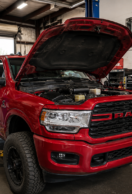

Don’t Let Winter Diesel Engine Problems Halt Your Productivity—Be Prepared!
Proper winter maintenance is crucial for ensuring the reliable operation and long-term durability of diesel engines during periods of cold weather. Unlike their gasoline counterparts, diesel engines encounter a unique set of challenges when temperatures plummet, making specialized care and preparation essential. One major issue is that, as the temperature drops, diesel fuel can begin to gel or thicken due to the formation of wax crystals. This increased viscosity may clog fuel filters and restrict fuel flow, potentially causing starting difficulties or engine stalling. In addition to problems with fuel gelling, engine oils and other vital fluids also become more viscous in colder temperatures. The thickened lubricants struggle to circulate effectively through the engine’s intricate pathways during startup, resulting in increased friction and wear on moving parts such as pistons and bearings. Over time, this added strain can accelerate component degradation and lead to costly repairs if not properly addressed. To combat these issues, operators often rely on strategies such as using winter-grade diesel fuels or additives designed to lower the gel point. Preheating systems—like block heaters or fuel line warmers—are frequently employed to maintain optimal operating temperatures before ignition occurs. By paying close attention to these aspects of winter maintenance, owners can help ensure their diesel engines continue running smoothly and efficiently throughout even the harshest cold snaps.
To address these issues, several key maintenance practices should be followed throughout the winter months:
1. Replace fuel filters regularly to prevent blockages caused by wax crystals or contaminants that accumulate more readily in cold conditions.
2. Use winter-grade diesel fuel or add anti-gel additives to maintain proper fuel flow even at subzero temperatures.
3. Check glow plugs frequently; they are essential for aiding cold starts by heating combustion chambers and reducing strain on batteries and starter motors.
4. Maintain battery health by keeping them fully charged since their cranking power decreases as temperatures fall—weak batteries are a common cause of failed starts in winter.
5. Inspect block heaters to ensure they function correctly so your engine remains warm enough for smooth ignition regardless of outside conditions.
6. Monitor coolant levels and use an appropriate antifreeze mixture to protect internal engine parts from freezing damage or corrosion.
By incorporating these preventive measures into your regular maintenance routine, you help extend your diesel engine’s lifespan while minimizing costly downtime during critical periods of operation. Thorough winter preparation not only safeguards equipment performance but also supports ongoing productivity despite harsh seasonal conditions.
At All in the Wrist Diesel and Auto Repair in Albuquerque, we can help you with all areas of your gasoline and diesel engine maintenance and repair, contact us to set an appointment.