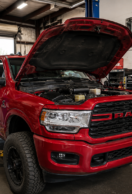

Introduction: The Challenges Faced by Diesel Vehicles During Hot Weather
Diesel vehicles, while known for their durability and fuel efficiency, can face several challenges during the summer months, particularly when dealing with high temperatures. One of the primary issues is the impact of hot weather on diesel engines, which are more susceptible to overheating compared to their gasoline counterparts. This is due to the fact that diesel engines operate at higher compression ratios and generate more heat internally. Additionally, summer driving can exacerbate difficulties related to fuel contamination and degradation; higher temperatures increase the likelihood of water condensation in fuel tanks and promote microbial growth that can clog filters and injectors. High ambient temperatures also affect turbochargers in diesel vehicles by reducing air density, which can lead to decreased engine performance and efficiency. Moreover, prolonged exposure to heat may cause rubber components such as hoses and belts to deteriorate faster than usual. Addressing these challenges involves regular maintenance checks, ensuring adequate cooling system functionality, using summer-grade diesel fuels when available, and being vigilant about fuel quality. By taking these precautions, diesel vehicle owners can mitigate potential issues associated with hot weather driving and ensure their cars continue running smoothly throughout the season.
The Science Behind Diesel Engine Problems in High Temperatures
Diesel engines, while known for their efficiency and durability, can experience significant heat issues that necessitate careful management to prevent damage. One major concern is thermal expansion, a phenomenon where engine components expand due to excessive heat, potentially leading to warping or cracking if not properly addressed. This is particularly problematic because diesel engines inherently operate at higher temperatures than gasoline engines. Consequently, the cooling system plays a crucial role in maintaining optimal engine performance and preventing overheating. Problems within the cooling system, such as coolant leaks or malfunctioning thermostats, can exacerbate heat issues by failing to dissipate excess heat effectively. Overheating poses serious risks for diesel vehicles, including engine component failure and reduced performance efficiency. To mitigate these risks, regular maintenance checks on the cooling system components are essential to ensure they function correctly and maintain the engine's temperature within safe limits. Properly addressing these thermal challenges not only extends the lifespan of diesel engines but also ensures reliable vehicle operation under various conditions.
Common Symptoms of Diesel Vehicle Strain During the Summer Months
Overheating in diesel vehicles can be a significant concern, especially during the hot summer months when engines are put to the test. Common signs of overheating include a rising temperature gauge, steam or smoke emanating from under the hood, and an unusually sweet smell due to coolant leaks. As temperatures soar, performance issues can also become more prevalent; diesel engines may experience reduced power and efficiency as high ambient temperatures affect fuel combustion processes. Furthermore, it's not uncommon for drivers to notice a drop in fuel efficiency during summer due to increased air conditioning use and the engine's need to work harder in higher temperatures. Among other common malfunctions faced by diesel vehicles in hot weather are issues with the cooling system, such as radiator failures or faulty thermostats that struggle to maintain optimal engine temperature levels. By being aware of these potential problems and taking preventive measures such as regular maintenance checks and ensuring adequate coolant levels, drivers can help mitigate summer-related performance challenges associated with diesel vehicles.
Preventive Measures to Protect Your Diesel Vehicle From Heat-Related Issues
Maintaining diesel cars during the hot summer months requires a proactive approach to ensure they operate efficiently and avoid overheating. One essential tip is to regularly check the cooling system, as it plays a crucial role in preventing engine overheating. Ensure that coolant levels are adequate and inspect hoses for any signs of leaks or wear, replacing them if necessary. Additionally, it's important to keep the radiator clean and free from debris that can obstruct airflow. To maintain fuel efficiency during the hotter months, consider using high-quality diesel fuel additives that improve combustion and reduce deposits in the engine. Regularly checking tire pressure is also vital, as properly inflated tires help in achieving better fuel economy. By taking these preventive measures, you not only safeguard your vehicle's performance but also extend its lifespan while enjoying a smoother driving experience throughout the summer season.
At All in the Wrist Diesel and Auto Repair in Albuquerque, we can help you with all areas of your gasoline and diesel engine maintenance and repair, contact us to set an appointment.