
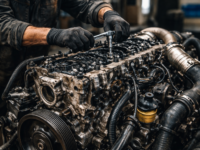
The Impact of Cold Weather on Engine Components
Winter presents several challenges for vehicle engines, primarily due to the impact of low temperatures on key components. As temperatures drop, engine oil thickens and its viscosity increases, making it harder for the oil to circulate efficiently through the engine. This reduced flow limits proper lubrication of moving parts, leading to increased friction and a higher risk of premature wear or long-term damage.
Battery performance is also affected in cold weather. Lower temperatures slow down the chemical reactions inside car batteries that are necessary for generating power. This often results in delayed or hesitant engine starts and can even cause battery failure if energy reserves are depleted faster than they can be restored—especially after repeated unsuccessful starting attempts.
Diesel engines face additional difficulties during winter months because they rely on glow plugs to preheat the combustion chamber before ignition. If glow plugs take longer to heat up or malfunction due to cold conditions, starting a diesel engine becomes more challenging and may require multiple tries.
These combined factors mean that prolonged cranking and repeated failed start attempts put extra strain not only on batteries but also on starter motors, potentially shortening their lifespan and increasing maintenance costs.
Understanding these effects allows drivers to take preventive measures such as using winter-grade oils, testing batteries before cold weather arrives, and regularly checking glow plug functionality in diesel vehicles. By addressing these issues proactively, vehicle owners can improve reliability during winter months while reducing the likelihood of breakdowns or expensive repairs caused by harsh conditions.
Preventive Measures to Avoid Winter Diesel Engine Problems
Winterizing diesel engines is crucial for maintaining reliable performance during cold weather. As temperatures drop, diesel fuel can gel—thicken or solidify—which restricts its flow through the engine and may cause significant operational problems. This gelling can also reduce the efficiency of engine components, resulting in hard starts, increased wear, and potential mechanical failures.
One effective way to address these risks is by using anti-gel additives. These chemicals are designed to lower the temperature at which diesel fuel begins to gel. By adding them to your fuel tank before freezing conditions occur, you help maintain proper fuel viscosity. This ensures that fuel lines and injectors remain clear and supports smooth engine operation even in very cold weather.
Proper storage practices are also important for protecting diesel engines during winter. Parking vehicles inside insulated garages shields both engines and fuel systems from extreme cold, wind, and moisture. If indoor storage isn’t available, using high-quality protective covers can help prevent snow and ice buildup on exposed vehicles.
Additionally, block heaters offer another layer of protection by pre-warming an engine’s block and fluids before starting the vehicle. This makes cold starts easier on batteries and moving parts while ensuring lubricants circulate effectively from the beginning.
By combining anti-gel additives with smart storage solutions such as insulated garages or heavy-duty covers—and supplementing these with reliable block heaters—diesel owners can protect their engines from winter-related issues. This comprehensive approach helps preserve critical components while ensuring consistent performance throughout even the harshest winter months.
At All in the Wrist Diesel and Auto Repair in Albuquerque, we can help you with all areas of your gasoline and diesel engine maintenance and repair, contact us to set an appointment.