Introduction: Why Regular Vehicle Maintenance is Crucial
Regular vehicle maintenance is crucial for ensuring both the safety and performance of your car. By adhering to a routine maintenance schedule, you can significantly extend the lifespan of your vehicle and prevent costly repairs down the line. Key aspects of car upkeep include regular oil changes, tire rotations, brake inspections, and fluid level checks, all of which contribute to optimal engine function and fuel efficiency. Additionally, keeping up with maintenance helps identify potential issues before they become major problems, thereby enhancing safety on the road by reducing the risk of sudden breakdowns or accidents caused by mechanical failures. Not only does consistent maintenance boost performance by maintaining smooth operation and handling, but it also preserves the resale value of your car should you decide to sell it in the future. Ultimately, investing time in regular vehicle upkeep ensures that your car remains reliable and safe for years to come while providing peace of mind every time you take it out on the road.
The Basics of Vehicle Maintenance and Typical Mileage Intervals
Maintaining a regular vehicle maintenance schedule is crucial for ensuring the longevity and performance of your car. Typically, maintenance is organized around mileage intervals, with certain tasks recommended at different stages. For instance, basic check-ups such as oil changes are generally advised every 3,000 to 5,000 miles, depending on the type of oil used and manufacturer guidelines. At 15,000-mile intervals, more comprehensive inspections usually take place, including checking fluid levels, tire alignment, and brake systems to ensure everything functions optimally. Beyond these regular check-ups, basic vehicle care should also involve routine tasks like checking tire pressure monthly and keeping the interior and exterior clean to prevent wear and tear. Staying on top of this schedule not only helps avoid unexpected repairs but also enhances safety by ensuring that all components are in good working condition. By adhering to these maintenance practices diligently, car owners can enjoy a smoother driving experience while potentially increasing their vehicle's resale value in the long run.
Oil Changes: How Often Should You Change Your Oil?
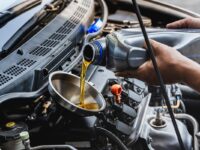
Regular oil changes are crucial for maintaining optimal engine health, and understanding the right frequency and mileage for these changes is key. Typically, traditional oil changes are recommended every 3,000 to 5,000 miles or every three months, whichever comes first. However, with advancements in engine technology and oil formulations, many vehicles now allow for longer intervals between changes. For instance, synthetic oils can extend the interval to 7,500 or even 10,000 miles due to their superior performance in high temperatures and resistance to breakdown. When deciding between synthetic and conventional oils, consider factors such as driving conditions and your vehicle's specific requirements; synthetic oils generally offer better protection for engines under heavy loads or extreme temperatures. Additionally, regular checks of your engine's oil level and condition can help prevent issues before they start. Ultimately, adhering to your vehicle manufacturer's recommendations ensures that your engine remains in peak condition over time while choosing the appropriate oil type enhances performance and longevity.
At All in the Wrist Diesel and Auto Repair in Albuquerque, we can help you with all areas of your gasoline and diesel engine maintenance and repair, contact us to set an appointment.